Decluttering a Small Living Room: Step-by-Step Guide
Decluttering a small living room can seem like a daunting task, especially when space is limited. However, with a structured approach, it is possible to transform the area into a more organised and peaceful environment. This guide outlines practical steps that can be followed at your own pace, ensuring that the process remains manageable and effective. By focusing on sorting, decision-making, and the strategic use of storage solutions, you can create a living space that feels both functional and inviting.
The journey to a clutter-free living room begins with understanding the role of each item in the room. It is not about achieving perfection, but rather about making thoughtful choices that align with your daily needs and aesthetic preferences. The following sections provide a systematic method to declutter, from initial preparation to maintenance, allowing you to adapt the process to your unique situation. Whether you are tackling the entire room or just a corner, the principles remain the same: sort, decide, and store.
Before diving into the steps, it is helpful to acknowledge that decluttering is a gradual process. It is not necessary to complete everything in one sitting, and it is normal to revisit decisions as you go. The goal is to create a sustainable system that you can maintain over time. With that in mind, let us explore the step-by-step approach to decluttering a small living room.
Preparing for the Decluttering Process
Before you begin sorting through items, it is important to set the stage for success. Start by gathering the necessary supplies, such as boxes or bags for items you plan to donate, recycle, or discard. Having these containers ready helps streamline the sorting process and prevents items from being left in piles. Additionally, consider scheduling a specific time for decluttering when you can focus without interruptions. This could be a few hours on a weekend or several shorter sessions spread across a week, depending on your availability.
Another preparatory step is to assess the current layout of your living room. Take a mental or written inventory of what is present, noting areas where clutter tends to accumulate. This might include surfaces like coffee tables, shelves, or the floor near seating. Understanding these patterns can help you target your efforts effectively. It is also useful to set a realistic goal for each session, such as clearing one surface or one corner, to avoid feeling overwhelmed.
Once you have your supplies and a plan, you can begin the actual sorting process. Remember that the aim is not to empty the room, but to make intentional decisions about each item. The next section will guide you through the sorting method.
Sorting Your Belongings into Categories
Sorting is a foundational step in decluttering, as it allows you to see what you have and make informed choices. A proven method is to divide items into categories, such as keep, donate, relocate, and discard. As you go through each item, ask yourself whether it serves a purpose or brings you joy. If an item is broken, unused, or unnecessarily duplicates another, it may be a candidate for removal. Being honest with yourself during this process is crucial, but it does not have to be harsh—simply consider the practicality of each piece.
To make sorting more manageable, focus on one area at a time. For example, start with the coffee table, then move to shelves, and then to the floor. Within each area, handle each item individually, placing it in the appropriate category. This methodical approach prevents the task from becoming chaotic and allows you to see progress as you go. It is also helpful to have a designated spot for each category, such as a box for donations and a bag for trash, clearly marked to avoid confusion.
During sorting, you may encounter items that you are uncertain about. In such cases, consider creating a ‘maybe’ box and revisiting it after a few weeks. This approach respects the emotional attachment to certain objects while still moving the process forward. The goal is to reduce overall clutter without rushing decisions. By the end of the sorting phase, you should have a clearer picture of what belongs in your living room and what can be relocated or removed.
Deciding What Stays and What Goes
Decision-making is at the heart of decluttering. After sorting items into broad categories, it is time to refine your choices. For each item, consider its practical use and its contribution to the room’s aesthetic. Items that are used frequently or have significant meaning are likely to stay. Conversely, items that are rarely used, broken, or do not fit the desired look may be better placed elsewhere or removed entirely. This process is not about minimalism for its own sake, but about creating a space that functions well for you.
One effective criterion is the ‘one-year rule’, where you ask if you have used the item in the past year. If not, it may be a candidate for removal. However, this rule should be adapted to your lifestyle. Seasonal items or those used occasionally may still warrant keeping. Another consideration is space constraints. In a small living room, every item takes up valuable square footage, so it is important to prioritise pieces that are both functional and versatile. For instance, a piece of furniture with built-in storage can serve dual purposes.
When deciding what goes, it is also helpful to think about where the item might be more useful. Perhaps a collection of books belongs in a study, or extra throws belong in a bedroom closet. Relocating items ensures they are not simply discarded, but are given a more appropriate home. This can reduce waste and maintain the usefulness of your possessions. Ultimately, the decision process should be guided by your personal needs and the goal of achieving a calmer, more organised living room.
Using Storage Solutions and Baskets
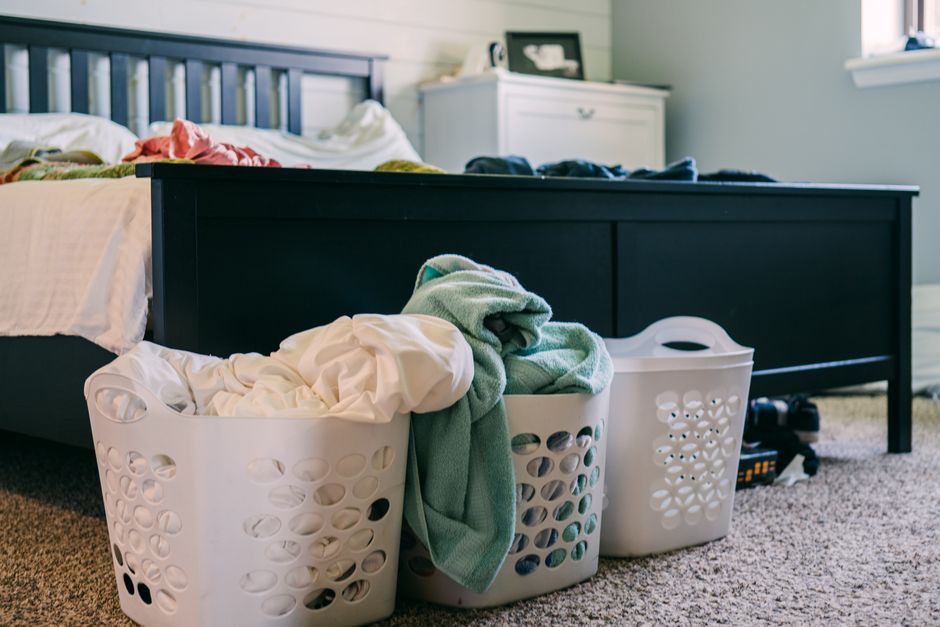
Once you have decided what stays, the next step is to find appropriate storage solutions. In a small living room, baskets and other containers are invaluable for keeping items organised and out of sight. Baskets can be used to store remote controls, magazines, throws, and other everyday items, making them easy to access while maintaining a tidy appearance. Choose baskets that complement the room’s decor, whether that means natural materials for a rustic look or sleek bins for a modern aesthetic.
When selecting storage, consider the frequency of use. Items that are used daily should be stored in easily accessible places, such as on open shelves or in baskets on the coffee table. Less frequently used items can be stored higher up or in concealed containers. Utilising vertical space is also important in a small room; tall shelving units or wall-mounted hooks can free up floor space. Additionally, multi-functional furniture, such as ottomans with storage or TV stands with cabinets, can significantly increase your storage capacity without adding visual clutter.
It is also beneficial to label baskets or bins, especially if they contain items that are not immediately visible. Labelling helps maintain order and makes it easier for family members to return items to their designated spots. The use of storage solutions is not just about hiding things away, but about creating a system that supports your daily routines. By giving everything a place, you reduce the likelihood of clutter accumulating again.
Maintaining a Clutter-Free Living Room
After the initial decluttering, the key to long-term success is maintenance. This involves establishing simple habits that prevent clutter from returning. One effective practice is to return items to their designated spots at the end of each day. This encourages a consistent routine and avoids the build-up of objects on surfaces. Another tip is to periodically reassess your belongings, perhaps every few months, to ensure that new items are not accumulating unnecessarily.
It is also helpful to implement a ‘one in, one out’ policy. When bringing a new item into the living room, consider removing an old one to maintain balance. This can be applied to books, decorative pieces, or electronics. Additionally, regular cleaning sessions provide an opportunity to tidy up quickly, but they do not replace the need for occasional deeper decluttering sessions. By staying mindful of what enters the room, you can keep clutter at bay.
Finally, remember that a clutter-free living room is not a static achievement but a dynamic process. As your needs and tastes evolve, so may the contents of the room. Embracing this mindset helps you adapt without feeling discouraged. The steps outlined here are designed to be repeatable, allowing you to refresh your living space whenever it becomes overwhelming. With time, these practices become natural, and the maintenance of a calm and organised living room becomes a part of your routine.
Consistency in returning items to their designated spots is more effective than periodic deep cleans in preventing clutter from accumulating.